
Roofing Dumpster Rental in CT: Sizes, Weight & What to Know
Quick Answer
A single-layer asphalt tear-off on an average home usually weighs two to three tons and fits a low-profile 10-yard dumpster; multi-layer roofs can double or triple that and need a larger container with more included tonnage. Because shingle debris hits its weight limit before the box looks full, sizing by weight — not volume — is how you avoid surprise overage fees.
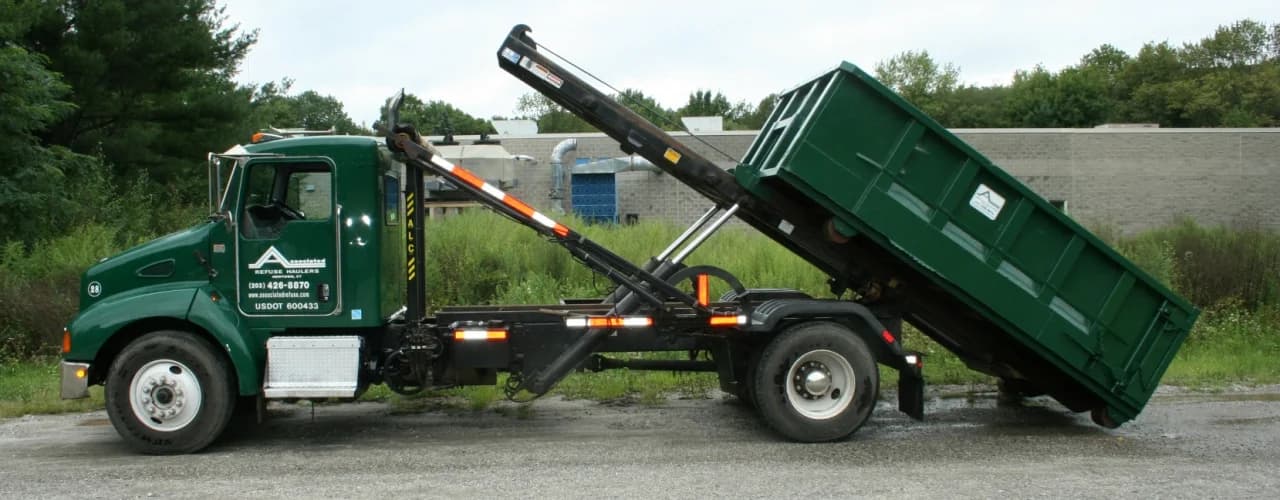
A roof tear-off is one of the few home projects where the dumpster hits its weight limit long before it looks full. The size you pick matters less than the weight allowance you pick — and getting that wrong means renting a second container mid-tear-off or eating an overage you did not budget for. Here is how the weight actually adds up, and how to match a container to your roof.
How Roofers Measure a Roof: Squares and Layers
Roofing is measured in squares. One square equals 100 square feet of roof surface — a 10-by-10 patch. A roof a contractor calls "22 squares" covers 2,200 square feet of actual roof area, which is always more than the home's footprint because of slope and overhangs.
You can estimate your own roof closely enough for sizing. Take the home's footprint square footage, then add for pitch: a low slope adds roughly 10–15%, a typical 6/12 pitch adds about 20–25%, and a steep roof can add 30% or more. A 1,600-square-foot footprint with a moderate pitch lands around 19–20 squares. Then count the layers. A lot of older Connecticut homes have a second course of shingles nailed right over the first, and some have three. Every layer you tear off multiplies the weight you are hauling.
What a Tear-Off Actually Weighs
Asphalt shingle weight per square is well established: three-tab shingles run roughly 225–250 lb per square, and architectural (dimensional) shingles are heavier at about 350–450 lb per square.
A 20-square roof in 3-tab comes out around 4,500–5,000 lb of shingles alone — already more than two tons. The same roof in architectural shingles runs 7,000–9,000 lb. And shingles are not the whole load. Add the underlayment (felt or synthetic), drip edge and flashing, the nails, and any rotted decking you replace, and a single-layer tear-off on an average home typically lands in the two-to-three-ton range.
A second layer roughly doubles that, and a third triples it. A three-layer architectural roof on a larger home can push past six tons. That is why your neighbor's "same size house" needed a completely different container — they had one layer and you have three.
Why the 10-Yard Is the Roofer's Favorite
Shingle debris is dense and stacks flat, so a roof rarely needs a tall box. What it needs is a box a crew can load fast. The 10-yard container wins on roofing jobs because of its low profile — short sidewalls mean roofers can pitch shingles off the roof or out of a wheelbarrow straight over the edge instead of carrying every bundle up to a tall rim. Those low walls also keep the truck within safe hauling weight, because you physically cannot bury a small box the way you can overload a 20-yard with tonnage it was never rated to carry.
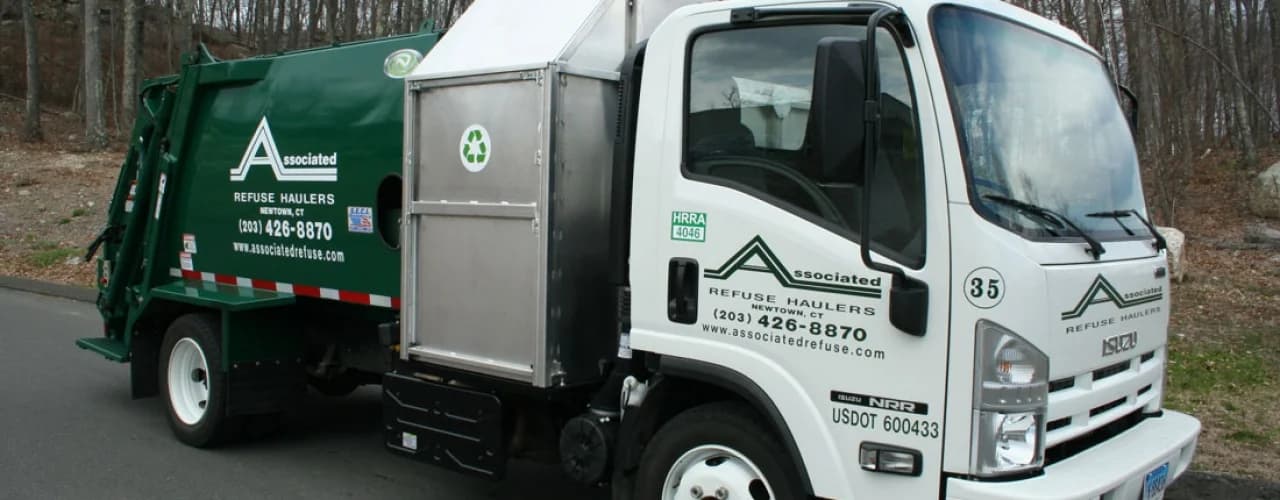
For a single-layer tear-off on an average home, a 10-yard is usually the right call. Step up to a 12–15-yard or 20-yard for multiple layers, a large or steep roof, or significant decking replacement. Big homes and commercial re-roofs move into 30-yard territory. Call us at 203-426-8870 with your square count and number of layers, and we match the container and the included tonnage to the job.
The Weight-vs-Volume Trap
Here is what catches DIYers every time: a shingle box reaches its weight limit before it ever looks full. You can have a 10-yard that appears a third empty and still be over the weight a roll-off truck can legally and safely carry. Drywall or framing fills a box visually; shingles fill it by the ton while leaving air at the top.
That is why we size roofing containers by weight, not by open space. We bake an included tonnage into the rental that matches the roof you described, so the box is right-sized for the load and there are no hidden charges — just a clear quote up front. Tell us the squares and the layers and we have the load figured before the truck ever leaves the yard, which is the surest way to avoid a surprise overage.
What Goes In, and What Decking Replacement Adds
A roofing dumpster takes the full tear-off stream: asphalt and architectural shingles, felt or synthetic underlayment, drip edge, step and valley flashing, vents, and all the loose nails that come with them. Rotted or soft plywood and plank decking belongs in there too — and on older homes you often do not know how much you are replacing until the roof is off and the crew can see the sheathing. Budget a little extra weight allowance for that: it is wood that has been soaking up Connecticut weather for decades, and it is heavier than fresh lumber. Our roofing dumpster rental page has the full material list.
Scheduling, and DIY vs Hiring a Roofer
Roofing is time-sensitive — an open roof and a forecast do not mix. The container should land the morning the tear-off starts, sit through the work, and get hauled when the crew finishes, not days later cluttering the driveway. Our drivers deliver roofing containers early and set them close to the work but clear of the staging zone where the new bundles get dropped.
If you are hiring a roofer, ask whether disposal is in the bid — many crews handle their own hauling, and if yours does not, you want your own container staged and ready so the job is not waiting on a dumpster. If you are tackling a small section yourself, respect the weight math above: a DIY tear-off feels manageable right up until you are hand-loading two tons of shingles, and a low-profile box you can pitch into over the edge saves your back and keeps you under the limit.
Family-owned since 1982 and serving roofers and homeowners across Fairfield County, Western New Haven County, and Lower Litchfield County, we size your roofing container to the actual weight of your roof. Call 203-426-8870 or get a free quote with your square count and layer count, and we will take it from there.
About the Author
Pat Caruso founded Associated Refuse Haulers in 1982 and continues to lead the family-owned business from its Monroe, CT headquarters. With over 44 years of hands-on experience delivering roll-off dumpsters across Fairfield County, Pat shares practical, locally-informed guidance for homeowners and contractors managing renovation, construction, and cleanout projects.
Learn more about Pat & the team →Related Guides
How to Choose the Right Dumpster Size for Your Project in CT
Not sure which dumpster size you need? From small cleanouts to large construction jobs, this guide helps Connecticut homeowners and contractors pick the right container.
Read more →How Dumpster Rental Pricing Works in CT (What Affects Your Quote)
A roll-off quote is built from container size, included tonnage, material weight, rental window, delivery distance, and CT disposal fees. Here is what shapes the number and how to get an accurate one.
Read more →Construction Debris Disposal Guide for CT Contractors
A practical guide for Connecticut contractors on construction debris disposal — what goes in the dumpster, what requires special handling, and how to stay compliant.
Read more →